Making Fine Motor Tasks Easier
Practical ways to make everyday hand tasks more manageable
A focused parent session for families who can see that everyday fine motor tasks are harder than expected and want practical ways to support participation without turning home into a therapy program.
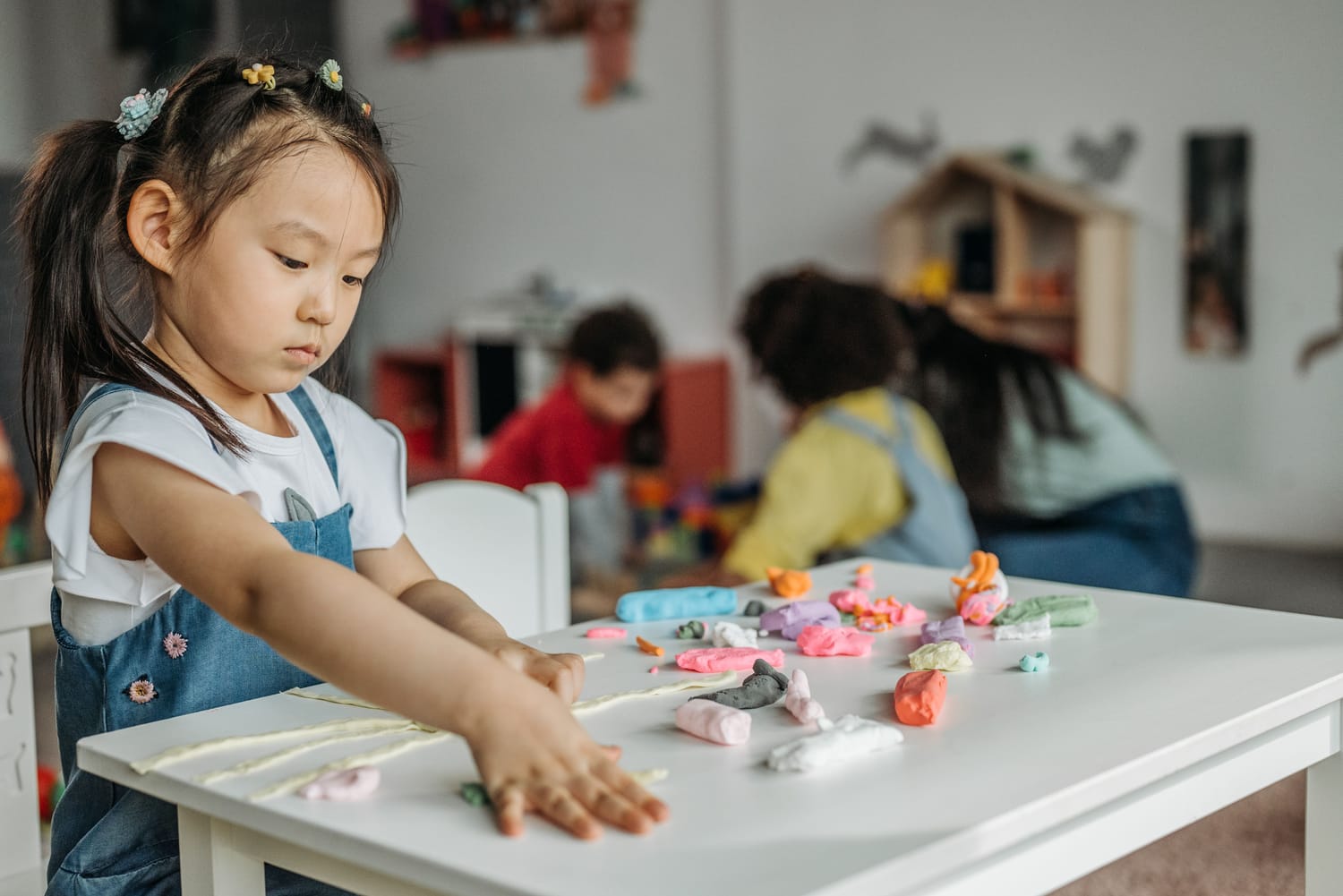
When everyday hand tasks are difficult, it can be hard to know what will actually help
Perhaps buttons and zips still need more help than you expected. Lunchboxes and packets are difficult to open. Cutting becomes frustrating, construction pieces are repeatedly dropped, or small everyday tasks seem to take far more work than they should.
You may already understand that your child is genuinely trying. The harder question is often what to do next without adding another long list of exercises to family life.
Making Fine Motor Tasks Easier moves into that practical next step. It helps you look at one real task at a time, decide what may be worth changing, and see whether that change makes the activity more manageable for your child.
Start with the task in front of your child
Fine motor support does not always need to begin with extra activities or a separate practice routine.
This session shows you how to look closely at the everyday task your child is finding difficult and consider whether something about the task, the setup or the tool could be making it harder than it needs to be.
You will learn a simple way to make one sensible adjustment, let your child try again, and notice whether the change has genuinely helped.
The aim is practical participation now, while keeping structured fine motor skill-building separate for children who need that next level of support.
What we will cover
During the session, we will look at:
- How to identify the part of an everyday fine motor task that is creating difficulty
- Simple ways to adjust the task without taking the activity away from your child
- How size, resistance, precision and the amount of a task can change how manageable it feels
- How positioning, stability and ordinary tool choices can reduce unnecessary difficulty
- How to give just enough help while still leaving your child with a meaningful part to do
- A simple TASK → CHANGE → TRY → WATCH process you can use with different everyday tasks
- When practical task changes may not be enough and broader support may be useful
The focus stays firmly on everyday function and practical decision-making rather than teaching a fine motor exercise programme.
Use the ideas with the tasks that are already part of your child's day
The strategies can be applied to many ordinary situations, including dressing, buttons and zips, lunchboxes and containers, scissors and craft, cutlery, construction play, games and other small hand tasks.
Rather than adding more practice for the sake of practice, you will learn how to make thoughtful changes around the activity your child is already trying to do.
This gives you a practical way to support participation now while also helping you recognise when the difficulty appears to be broader than one particular task.
Your session includes
45 minute recorded parent session
A practical parent session with everyday examples showing how to look at a difficult fine motor task and decide what may be worth changing.
3-page Parent Action Workbook
A concise printable workbook to help you choose one real task, try one practical adjustment and notice what changes.
Printable Quick Reference Guide
A one-page reminder of the key ideas from the session that you can keep nearby when another everyday hand task becomes difficult.
This session may be a good fit if…
- Your child finds everyday hand tasks such as buttons, zips, lunch containers, scissors, cutlery or construction harder than expected.
- You often end up stepping in and doing the task because it is taking too long or becoming frustrating.
- You want practical ways to make the task more manageable without doing everything for your child.
- You would prefer to work with the activities already happening in family life rather than add another list of fine motor exercises.
- You want a clearer way to decide whether a change to the task, setup or tool is actually helping.

About Skill Sense®
Practical fine motor guidance grounded in paediatric occupational therapy
I’m Esmé Le Roux, a paediatric occupational therapist with more than 25 years of experience working with children and families.
Fine motor skills are woven through so many ordinary parts of childhood, from dressing and eating to play, craft and school tasks. When those activities are harder than expected, parents often need practical guidance that fits the task in front of them rather than another long list of exercises.
Skill Sense® was created to make occupational therapy knowledge more accessible to parents in clear, practical language that fits real family life.
The goal is not to turn parents into therapists. It is to help you understand what you can reasonably change, support your child's participation and recognise when more structured or individual support may be useful.
Frequently asked questions
Do I need to watch the Fine Motor Brilliant Basics session first?
No. Making Fine Motor Tasks Easier is a standalone Practical Strategy Series session and gives you what you need to use the practical approach taught here.
If you would like more explanation about why fine motor skills can fall apart even when a child is trying, the Brilliant Basics session is a useful companion, but it is not required first.
Does my child need a diagnosis?
No. The session focuses on everyday fine motor tasks and practical participation. You do not need a diagnosis to use the general strategies taught in the session.
Is this a fine motor strengthening programme?
No. This session focuses on practical task-level changes, setup and tool choices. It does not teach a structured strengthening, dexterity or developmental fine motor programme.
Do I need to buy special fine motor equipment?
No. The session is designed around ordinary family life and everyday tasks. Many useful changes involve the setup, the materials you already have or choosing a more manageable version of an everyday tool.
Does this session cover handwriting?
The examples may occasionally involve everyday tools used by the hands, but this is not a handwriting teaching session. Handwriting has its own Skill Sense® pathway for families whose main concern is writing.
How is this different from Strong Fingers?
Making Fine Motor Tasks Easier focuses on practical changes you can make around the task your child is facing now. Strong Fingers is the structured Skill Sense® programme for children who need broader development of underlying fine motor skills over time.
When would individual OT be more appropriate?
Individual support may be more appropriate when fine motor difficulties are affecting several areas of daily life, when the pattern is complex or difficult to interpret, or when practical task changes have not been enough.
Start with one everyday task
You do not need to change everything at once or fill the week with fine motor activities. This session gives you a clear, practical way to decide what may be worth changing when an everyday hand task is harder than it needs to be.

© 2026 Skill Sense®
One or two emails a month for parents who want to understand what is happening for their child.
No clutter. No pressure. Unsubscribe at any time.