Supporting Better Coordination
Simple strategies for gross motor skills and movement
A practical parent session to help you support everyday movement skills such as catching, kicking, pedalling, skipping and climbing without turning home into another therapy session.
- 40–45 minute recorded parent session
- Coordination Skill Builder
- Quick Reference Guide
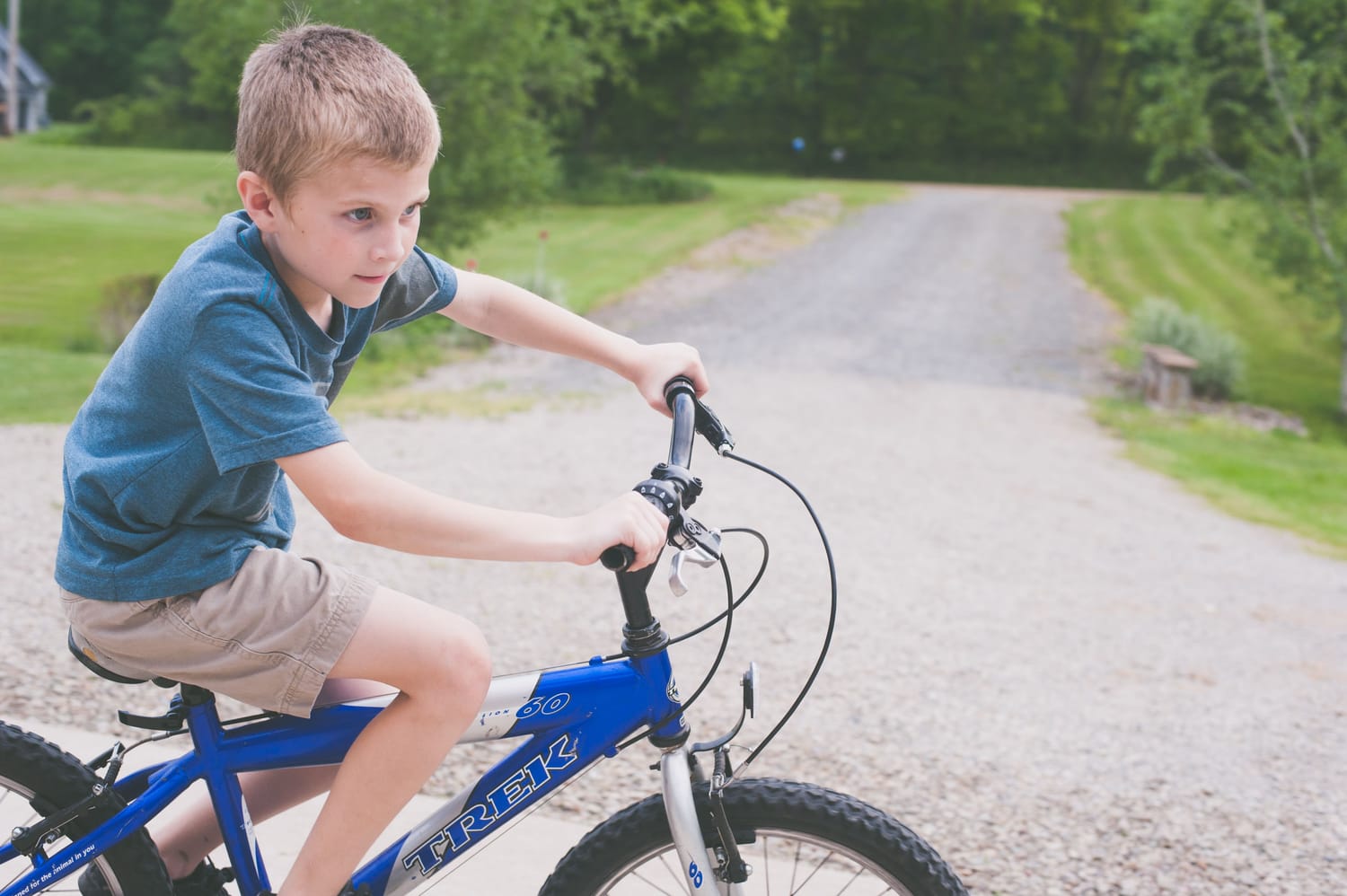
When movement is hard, simply practising more is not always enough
Perhaps your child can run and jump quite happily, but catching, kicking, skipping or learning to ride a bike seems much harder than you expected.
They may understand what they are meant to do but still struggle to get the movements working together, need much more practice than other children, or become frustrated when a physical skill does not come easily.
As a parent, it can be difficult to know whether to demonstrate more, explain more, simplify the activity, keep practising or leave it for another day.
Supporting Better Coordination gives you a practical way to look at one real movement skill, work out where it is becoming difficult, and make thoughtful changes that give your child a better chance to learn.
Better practice is not simply more practice
Gross motor skills often involve several movements happening together, and children can find very different parts of an activity difficult.
Repeating the same difficult task again and again does not necessarily make the movement easier. Sometimes the more helpful starting point is to work out where things begin to fall apart and adjust one part of the activity so the child can experience success while still learning.
This session shows you how to make practice more manageable and useful, with clear ways to demonstrate, cue, repeat and gradually build the challenge without overwhelming your child.
What we will explore
During the session, we will look at:
- How to choose one meaningful movement skill rather than trying to work on everything at once
- How to recognise where an activity starts to become difficult for your child
- Practical ways to adjust one part of a task so success is more achievable
- How to demonstrate movement and use short, helpful cues without overloading your child with instructions
- How to use repetition and gradually add challenge as a movement becomes more familiar
- How to give useful feedback without correcting every attempt
- What to watch for as your child practises, and when individual support may be useful
The focus is practical, realistic and designed to fit into ordinary play, family activities and the movement opportunities your child already has.
Start with the movement your child actually wants to do
Supporting coordination does not need to mean setting up a programme of exercises at home.
The session starts with real activities such as catching a ball, kicking, riding a bike or scooter, climbing, skipping or learning a new movement sequence.
The aim is to help you use those ordinary opportunities more effectively, so practice feels manageable for your child and realistic for family life.
Your session includes
40–45 minute recorded parent session
Clear, parent-friendly teaching with familiar gross motor examples and practical guidance you can begin using with everyday movement skills at home.
Printable Coordination Skill Builder
A practical tool to help you choose one movement, identify where it becomes difficult, decide what to change and notice what happens as your child practises.
Printable Quick Reference Guide
An easy-to-return-to guide showing ways to make familiar gross motor activities more manageable and how to add challenge when your child is ready.
This session may be a good fit if…
- Your child can manage basic movement but more coordinated activities seem awkward or difficult
- Catching, kicking, skipping, pedalling, climbing or learning new movement sequences takes much more practice than expected
- Your child understands what to do but struggles to get all the parts of the movement working together
- You find yourself giving lots of instructions or corrections but are unsure whether they are actually helping
- Your child becomes frustrated, gives up quickly or avoids physical activities that feel difficult
- You would like practical guidance from a paediatric occupational therapy perspective without committing to a full programme
- You want a clearer sense of what you can reasonably try at home and when more individual guidance may be useful

About Skill Sense®
Practical parent guidance grounded in paediatric occupational therapy
I’m Esmé Le Roux, a paediatric occupational therapist with more than 25 years of experience working with children and families.
Over the years, I have worked with many children who know exactly what they want their body to do, but find coordinating the movement much harder than it appears from the outside.
Skill Sense® was created to make occupational therapy knowledge more accessible to parents in clear, practical language that fits real family life.
The aim is not to turn parents into therapists. It is to help you understand what you are seeing, know what you can reasonably try, and recognise when your child may need more individual support.
Frequently asked questions
Do I need to complete a Brilliant Basics session first?
No. Supporting Better Coordination is designed as a standalone Practical Strategy Series session.
If you have already completed the Gross Motor and Coordination Brilliant Basics session, this is a useful next step because it moves from understanding the pattern into practical ways to support movement at home.
What age is this session for?
The session is most relevant for parents of younger and primary-school-aged children who are finding everyday gross motor and coordination skills harder than expected.
Is this an exercise programme?
No. The session does not give you a prescribed exercise routine or a sequence of gross motor drills. It teaches you how to look at an everyday movement skill, work out where the difficulty is occurring, and make practical changes that can support learning.
Will I need to buy special equipment?
No. The strategies are designed to be used with ordinary movement activities and equipment you are likely to already have access to, such as balls, bikes, scooters or playground equipment.
Is this the same as Action Balance Core?
No. Supporting Better Coordination is a focused Practical Strategy Series session that gives you a small set of useful strategies for supporting everyday gross motor skills.
Action Balance Core is the structured Skill Sense® programme for families who want to work on gross motor foundations in greater depth and progression over time.
When might individual OT be more appropriate?
Individual support may be more useful when coordination difficulties are broad, persistent or affecting your child’s participation across several everyday activities, when safety is becoming a concern, or when you are unsure what may be contributing to the pattern you are seeing.
A more useful way to practise movement
Your child does not need endless correction or a long list of exercises. This session gives you a clearer way to notice where a movement is becoming difficult, make one manageable change, and help your child practise at a level where learning has a better chance to happen.
© 2026 Skill Sense®
One or two emails a month for parents who want to understand what is happening for their child.
No clutter. No pressure. Unsubscribe at any time.