Parent Learning and Support / Fine Motor Skills
Parent learning and support
Fine Motor Skills
Resources to help you understand what sits behind fine motor difficulties, and support your child with clarity and confidence.
What it is and why it matters
What it is
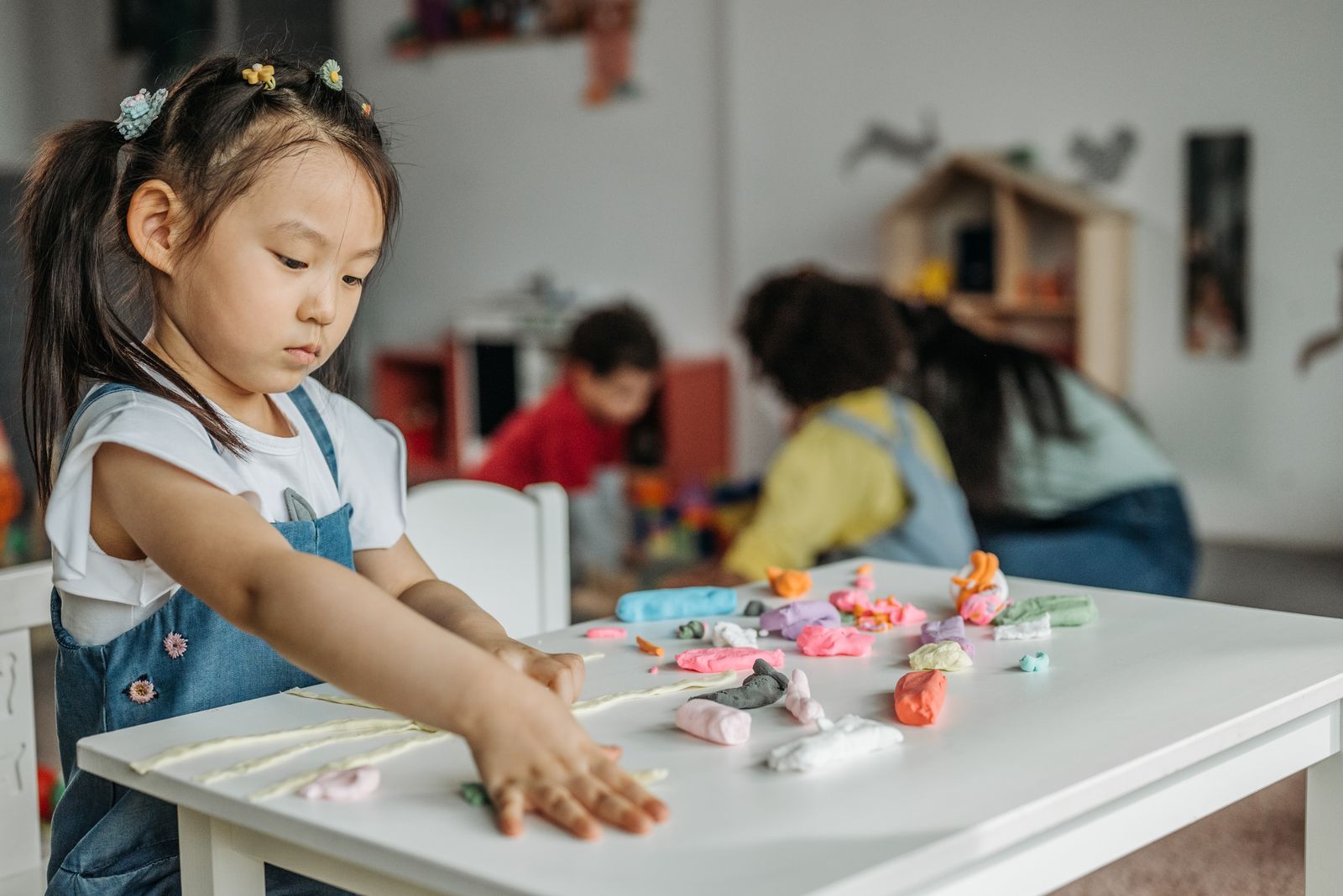
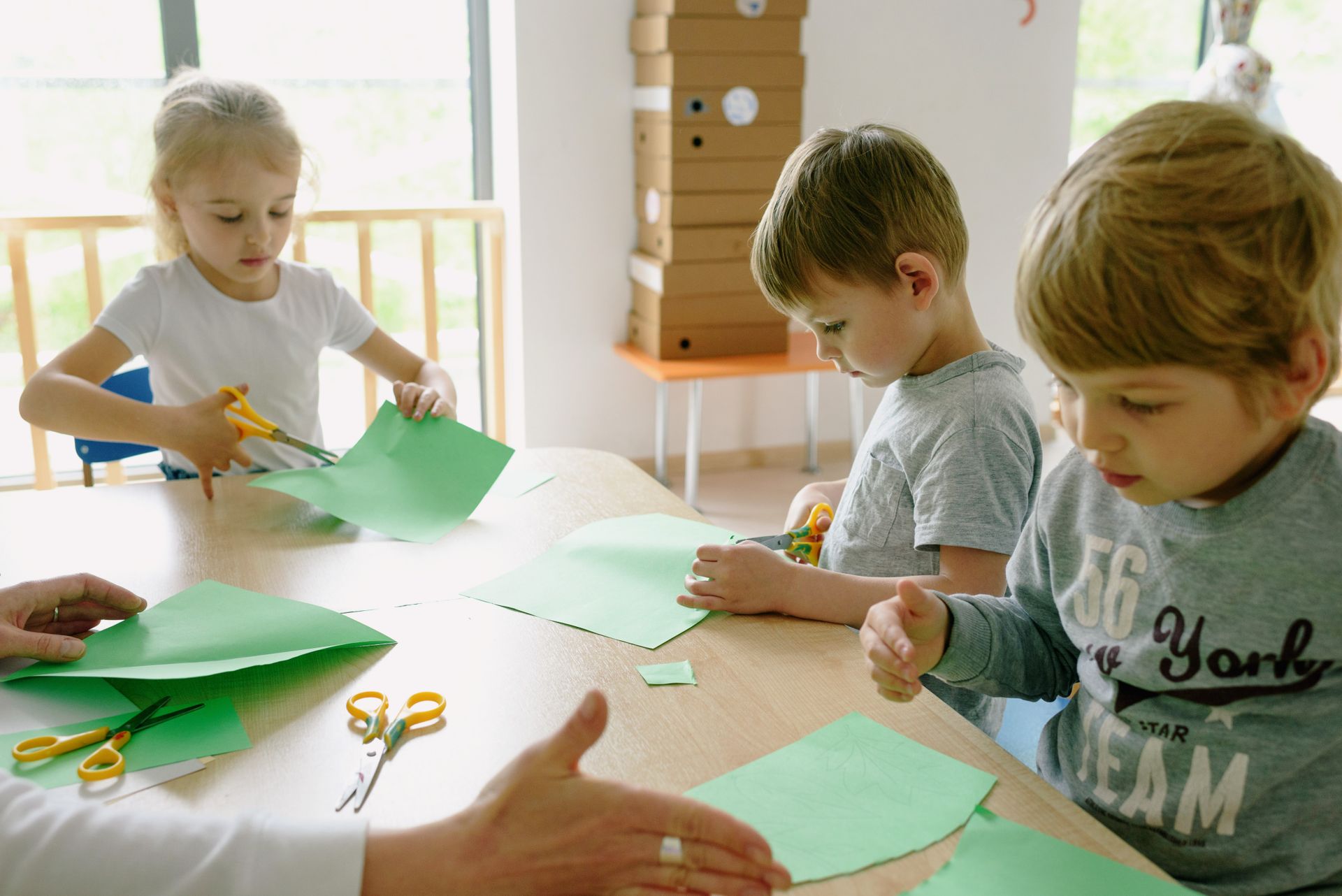
Fine motor skill is the coordinated use of the small muscles of the hands and fingers for everyday tasks such as cutting, threading, doing up buttons, and managing cutlery. It does not develop on its own. It rests on foundational systems, including postural control, the sense of where the body is in space, tactile processing, the two sides of the body working together, and the coordination of vision with movement.
Why it matters
When these foundations are still developing, hand tasks can feel effortful or tiring, even when a child is concentrating and genuinely trying. This often shows up as inconsistency from one day to the next, avoidance of fiddly tasks, or fatigue that seems out of proportion to the activity. Understanding what is contributing to the difficulty changes how it can be supported.
How these resources help
Rather than more practice or more worksheets, the resources on this page help you understand what may be driving the effort you are seeing. With that understanding, support at home can be more structured and better matched to your child.
A good place to start
The Fine Motor Clarity Questionnaire
A short, structured questionnaire to help you recognise which pattern may be showing up in your child's fine motor skills right now. It takes about two minutes and gives you a personalised result that points you to the free session for a fuller explanation.
Start the questionnaireWhy Fine Motor Skills Fall Apart, Even When Your Child Is Trying
A recorded session that explains why fine motor tasks can stay difficult even when a child is trying, and what those patterns often mean underneath. You will also receive a Fine Motor Clarity Guide to keep.
Register for the free sessionStructured programs
For parents who want clear, step by step guidance to support their child's fine motor development.
Strong Fingers
A structured ten-week program that guides parents through the foundational systems that support hand skills, in a clear sequence, through short and consistent play-based practice at home.
- Ten weekly sessions, play-based activity guides, and reflection and observation tools
- Available self-paced, or as a live cohort, with the same content
- Twelve months access to all modules, activities, and recordings
Self-paced AU $247. Live cohort two payments of $197, or $358 paid in full.
Learn about Strong FingersSteady Hands
Steady Hands will be the fine motor program for older children. It is in development and will be added here when it is ready. Strong Fingers, above, is designed for younger children.
Looking for more personalised support?
If you would like individualised assessment and guidance for your child, Skill Sense OT also offers telehealth occupational therapy services. An assessment is the starting point for tailored, one to one support.
Every child deserves to be understood.
Every parent deserves the tools to help.
Back to Parent Learning and Support
© 2026 Skill Sense®
One or two emails a month for parents who want to understand what is happening for their child.
No clutter. No pressure. Unsubscribe at any time.